



Why Jewelry Sales Value Can Rise While Sales Volume Falls: A Manufacturing & Product Strategy Analysis
When gold and silver prices rise, it is easy to assume that the jewelry market will simply slow down across the board. But consumers do not all respond to higher metal prices in the same way.
Some buy less. Some choose lighter pieces. Others become more interested because they see precious metals as something inherently worth owning. These different consumer reactions frequently happen simultaneously within the same market cycle.
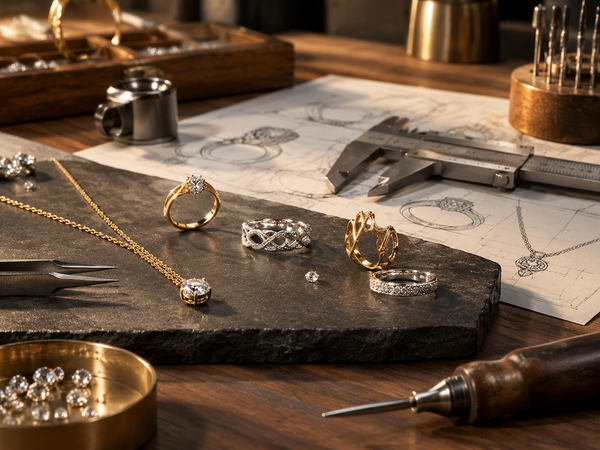
Figure 1: Navigating precious metal inflation: balancing gold/silver metal weight, perceived value, and manufacturing craftsmanship.
1. Higher Spending Does Not Mean More Jewelry Is Being Sold
According to the World Gold Council‘s Q3 2026 report, global gold jewelry consumption fell 17% year-on-year by weight, while its total sales value increased 2%.
Consumers were spending more overall, but buying less total gold. There is an important industry distinction here: metal weight is not the same as the number of pieces sold.
A strategic shift toward lighter structural designs, hollow-core casting, or lower gold purity (such as 9K/10K gold or 925 sterling silver with thick gold vermeil plating, as detailed in our Metal Selection Guide) can reduce precious metal consumption without an equivalent decline in unit sales.
| Business Metric | What the Data Shows | Manufacturer & Brand Takeaway |
|---|---|---|
| Retail Revenue (Value) | +2% YoY Growth | Higher average order value (AOV) driven by raw material surcharge and inflation. |
| Total Metal Weight | -17% YoY Decline | Consumers acquire fewer grams per purchase; demand shifts to lighter CAD structures. |
| Unit Volume (Pieces) | Moderately Resilient | Brands with optimized weight-to-surface-area ratios maintain steady volume. |
2. Rising Prices Can Also Create a Reason to Buy
In market discussions about gold and silver inflation (see our analysis on How Rising Silver Prices Change Manufacturing Decisions), this psychological catalyst deserves serious attention.
A higher price can make a product feel less accessible to casual shoppers. However, it also strongly draws attention to the intrinsic, enduring value of the precious metal itself:
- Some consumers buy because they anticipate further price hikes;
- Others seek to own a tangible physical asset with real residual value;
- Many prefer to secure a signature piece now rather than risk paying higher prices later.
However, heightened public interest in precious metals does not automatically convert into jewelry demand. Pure investment buyers choose bullion bars or coins. Jewelry buyers, by contrast, seek pieces they can wear and enjoy while appreciating their material worth. The metal price alone does not determine the value of the finished piece—craftsmanship, structural durability, and emotional resonance remain paramount.
3. What Does This Mean for Product Development?
From an OEM/ODM manufacturing and Design-for-Manufacturing (DFM) perspective, successful collection planning starts with understanding the customer‘s primary buying motivation:
Key Questions to Define Before Tooling:
- Who is buying this collection? Are they daily-wear lifestyle consumers, luxury gift shoppers, or precious metal enthusiasts?
- What is their primary value anchor? Is it entry-level price accessibility, solid tactile heft, or distinctive designer aesthetics?
- Where should the production cost be concentrated? Should budget be allocated to raw metal grams, precision stone setting, or high-luster hand finishing?
4. Manufacturing Strategies by Buyer Persona
Rather than adopting a blunt, one-size-fits-all cost-cutting approach, AIU Jewelry recommends segmenting your Tech Pack specifications (see our Tech Pack Checklist) by target customer profile:
- For the Budget-Conscious Buyer: Reducing metal weight via strategic internal hollowing and honeycomb under-gallery webbing helps maintain retail price points—provided wall thicknesses (≥ 0.8 mm) preserve structural rigidity and comfortable daily wear;
- For the Material-Value Buyer: Lightening the piece can undermine customer satisfaction. For this segment, maintaining solid weight, certifying hallmarked purity (925 Silver / 14K Gold), and ensuring flawless consistency (see Sample to Mass Production Consistency) creates competitive differentiation;
- For the Design-Led Buyer: Intricate sculptural detailing, micro-pavé setting, and superior mirror polish justify premium price points regardless of underlying metal market volatility.
Frequently Asked Questions (FAQ)
Q1: How can brands reduce silver and gold jewelry weight without looking flimsy?
Through precision CAD DFM engineering: hollow-core electroforming, domed profiles with hollowed under-galleries, and structural rib reinforcement. These techniques maximize the visible surface area and visual presence while reducing raw metal weight by 20% to 35% without compromising tactile strength.
Q2: Does higher gold pricing drive demand toward 925 sterling silver and vermeil?
Yes. Designer brands increasingly leverage 925 sterling silver finished with 2.5-micron 18K gold vermeil or heavy e-coated plating to offer luxurious, genuine precious metal jewelry at accessible bridge price points.
Q3: How does AIU Jewelry help clients optimize collection production costs?
Our engineering team conducts pre-tooling CAD reviews to audit wall thicknesses, sprue placements, and casting yield. We provide transparent material-versus-labor cost breakdowns to help brands allocate budgets where they create the highest perceived consumer value.
Source Reference: World Gold Council — Gold Demand Trends, Q3 2026, Jewellery.
Optimizing Your Next Jewelry Collection for Market Shifts?
Volatile precious metal markets demand smart engineering, weight calibration, and precision manufacturing. AIU Jewelry provides comprehensive OEM/ODM engineering support to keep your collections profitable and beautifully crafted.
Send your 3D CAD files, sketches, or target collection briefs to our engineering team for a detailed DFM cost-optimization review.
 anya907888
